

How to Protect Your Home: Complete 2026 Security Guide

The best way to protect your home isn't flashy or complicated. It's boring, practical, and built on layers. Most burglars skip homes that look difficult to break into. They're looking for easy targets, so your job is to not be one.
Here's what actually works to protect your home: visibility, prevention, and the right mix of physical and digital security.
In this article
- Start With the Outside: Light and Landscaping
- Control What People See Inside
- Don't Advertise an Empty Home
- Layer in Technology: Cameras and Alarms
- Protect Your Valuables With Physical Security
- Consider Coverage for Home Systems
- Put It All Together: Your Home Protection Plan
- FAQs About Protecting Your Home
Start With the Outside: Light and Landscaping
Criminals hate visibility. They want shadows and cover.
Install outdoor lighting around your doors, windows, and dark corners. Keep those lights on at night. Motion-activated lights are smart because they deter approach without wasting electricity during the day. A well-lit front and back are the cheapest and fastest first step to protect your home from opportunistic break-ins.
Next, trim back shrubbery and trees around windows and doors. Don't give someone a hiding spot while they're trying your locks. Clear sight lines tell potential intruders the house is occupied and visible from neighbors' windows.
Control What People See Inside
A dark house with closed curtains for days says one thing: nobody's home.
Keep your blinds and shades in their normal, lived-in positions. If you use them closed at night, that's fine. But don't leave them permanently shut or create an obvious pattern. Vary it like a real person lives there, because a real person does.
This small behavioral habit is surprisingly effective at protecting your home from break-ins. Burglars often scout a property first. They're watching for signs of absence.
Don't Advertise an Empty Home
A mailbox overflowing with envelopes is a neon sign that says "nobody here." Same with packages sitting on your porch or newspapers piling up.
If you're away, ask a neighbor to collect mail and packages. Or hold your mail at the post office. This simple step removes one of the clearest signals that your home is vacant.
This preventive mindset is core to protecting your home. Stop problems before they start, rather than responding after something goes wrong.
Layer in Technology: Cameras and Alarms

Physical barriers and prevention are your foundation. Now add eyes and alerts.
Security cameras are a worthwhile investment for protecting your home. A visible camera on your front door or garage is a deterrent by itself. But the real power is recording footage and watching in real time from your phone when you're away.
Look at leading providers like ADT, SimpliSafe, Vivint, Cove, Frontpoint, Brinks Home Security, abode, and Ring Alarm. Many of these systems offer live view and recorded video access through a mobile app so you can check in anytime. That's peace of mind built into your routine.
An alarm system is also worth considering as a core protection measure. When triggered, it alerts you and can notify local monitoring centers. Combined with cameras, alarms create a system that deters intrusion and documents what happens if someone tries anyway.
At Safes and Security Solutions, we work with homeowners to design security systems that layer protection across your entire property without feeling invasive or paranoid.
Need this done at home?
Get a Free Estimate →Protect Your Valuables With Physical Security
Cameras and alarms protect your home from break-ins. But what if someone does get inside?
This is where physical safes become essential. Guns, jewelry, cash, important documents, and medications need a dedicated barrier inside your home.
A high-quality home safe bolted to your floor or wall is not paranoia. It's the final layer of protection that keeps valuables secure even if someone bypasses your front door. Burglars working against time won't stick around trying to crack a safe. They'll move on to easier targets.
Different valuables need different safes. A fireproof home safe protects documents and heirlooms. A gun safe keeps firearms secure and out of wrong hands. Safes and Security Solutions specializes in purpose-built safes for every category of asset, so you can match the right safe to what you're protecting.
Consider Coverage for Home Systems
While protecting your home from intruders is critical, don't forget about protection from mechanical failure.
Services like HomeProtect USA offer repair and replacement coverage for major appliances and home systems. A broken HVAC or water heater can be as damaging to your peace of mind and wallet as a break-in, just in a different way. Layered protection means thinking beyond security doors and cameras.
Put It All Together: Your Home Protection Plan
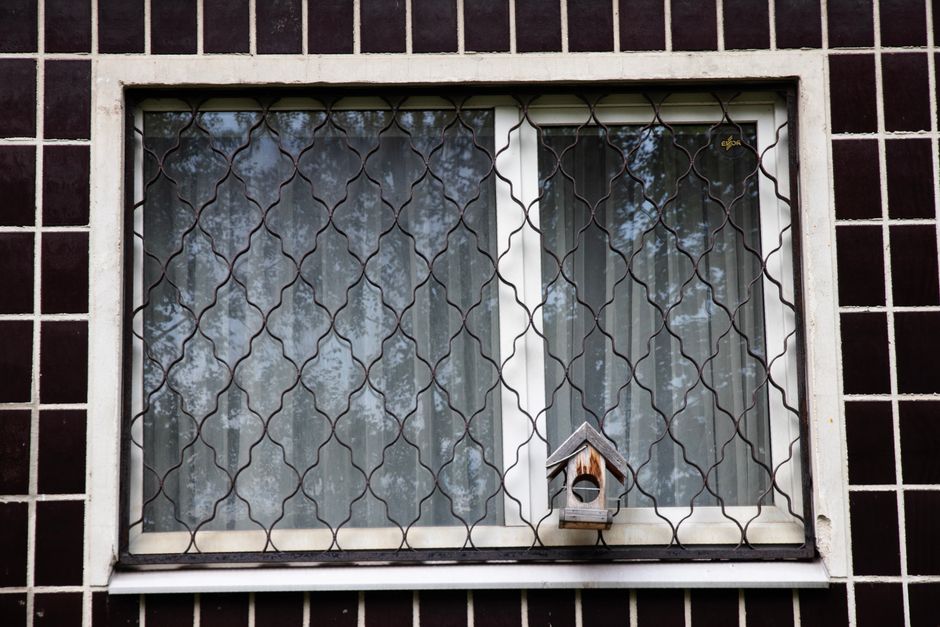
Here's the step-by-step approach to protecting your home in 2026:
- Install outdoor lighting around entries and dark areas
- Trim landscaping to eliminate hiding spots
- Maintain normal window covering patterns
- Manage mail and packages so nothing advertises absence
- Install a security camera system with mobile monitoring
- Add an alarm system for alerts and monitoring
- Install a bolted home safe for valuables and firearms
- Consider coverage for appliances and systems
This isn't about turning your home into a fortress. It's about making sensible, practical choices that protect what matters to you. Most effective security stops problems before they start.
When you're ready to invest in the physical security layer, Safes and Security Solutions can guide you through safe selection, installation, and integration with your overall home protection strategy. We offer free shipping across the continental U.S., and our team is available by phone if you have questions about what safe or security system is right for your specific situation.
FAQs About Protecting Your Home
What's the single most important thing to protect your home?
Prevention. A well-lit home with trimmed landscaping and clear sight lines will deter most burglars before they even try. Prevention stops break-ins before they happen. Technology like cameras and alarms document problems, but prevention avoids them entirely.
Do I need both a camera and an alarm system?
Not necessarily, but together they're more effective. An alarm alerts you immediately and can notify authorities. A camera records what happened and deters by being visible. Many modern systems combine both features in one platform, which is convenient and cost-effective.
Where should I put a home safe?
In a bedroom closet, basement corner, or office, ideally bolted to the floor or to wall studs where it's not immediately visible but accessible to you. Don't hide it so well that you can't get to your own valuables in an emergency. The safe should be discreet but secure.
How much does a good home security system cost?
Basic systems with a camera and door sensors start around $200-400. Professional monitoring services add $15-40 monthly. A quality home safe runs $300-2000+ depending on size and fire rating. Think of it as an investment in peace of mind, not an expense. You're protecting thousands in valuables.
Need this done at home?
Get a Free Estimate →